Buffalo Special Six Shirt: 10 Years of UK Weather Testing
TL;DR:
A single layer built for the British weather. Ten years and countless trips later, it still works admirably in the cold, wind, rain, and snow.
The claim on the label
When you go looking for new kit often the only information available is what the manufacturer or retailer supplies. Robert made his decision to get his Special Six Shirt based on this information.
Manufacturer: Buffalo Systems
Product full name: Special Six Shirt
Price tag (2015): £120
Retailer: Gaynor Sports in Ambleside
Key claims or standout information:
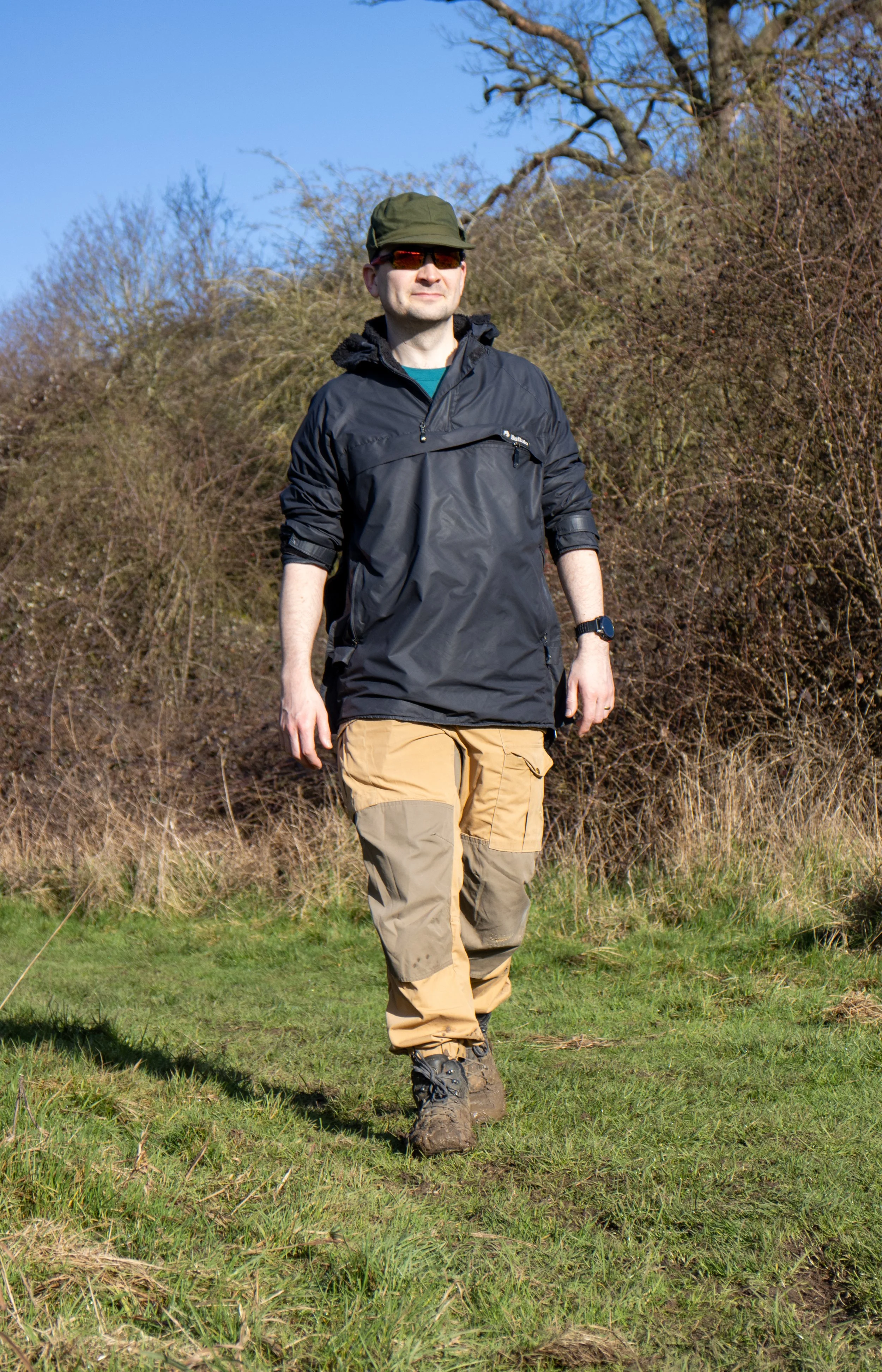
Developed with UK Special Forces, it has remained mostly unchanged for 30 years and is trusted by the Military, Police, and notably, Mountain Rescue Teams.
Designed specifically for the cold and damp UK weather, ideal for high-level winter hill walking, climbing, and general outdoor activities.
Low back for rain run-off and extra warmth, a design that prevents the torso from being exposed when you lift your arms overhead.
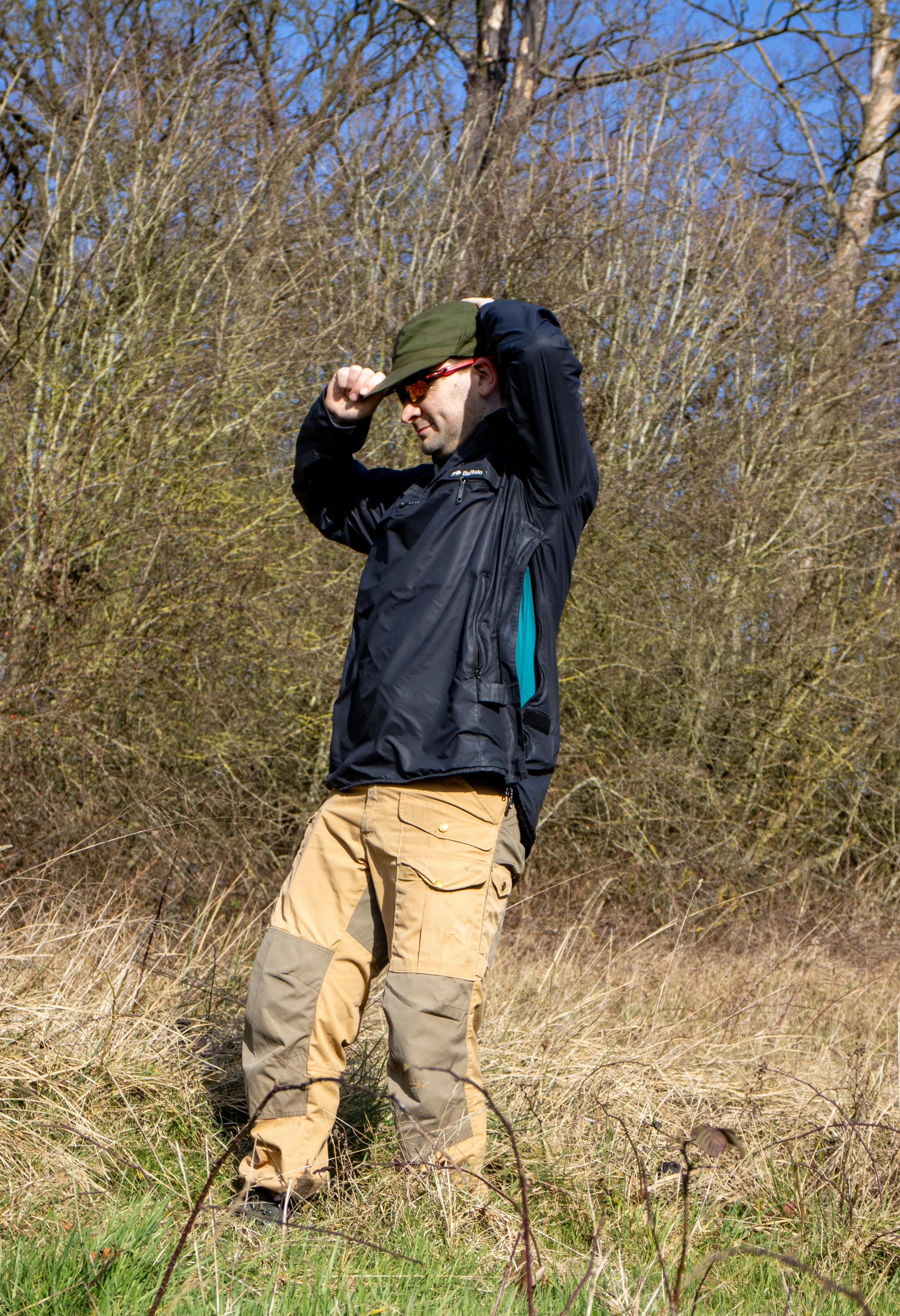
There are large two way zips down the sides to help manage ventilation.
A spacious zipped front map pocket that easily swallows an Ordnance Survey map.
Internal waist adjustment strap.
Velcro wrist closures, with sleeves that are big enough to be able to push up above your elbows.
Hand warmer kangaroo style pocket. Which is specifically located so that you can fasten your rucksack hip belt through it meaning you can still use the pocket when wearing a rucksack with a hip belt.
Windproof to 50mph.
Recommended for temperatures from -5°C to +12°C (23°F to 54°F) which is about what we get in the UK for a good half of the year.
Robert was dubious about this single wonder layer, despite it being highly recommended by a trusted friend. It came to a head in the Lake District one Easter where that friend handed his Buffalo to Robert and said try it for the day, see how you get on with it. Well the next day a trip to Ambleside was organised and Robert’s Special Six was purchased.
Out on the trail
We all know that manufacturers’ and retail staff's claims are all well and good, but the real proof is in the use on the trail. We try to give you an understanding of how much we have used the equipment, and critically in what conditions, before we cast judgement on its performance.
Estimated time of use so far: Countless hours. It has been Robert’s go-to warm layer for over a decade now.
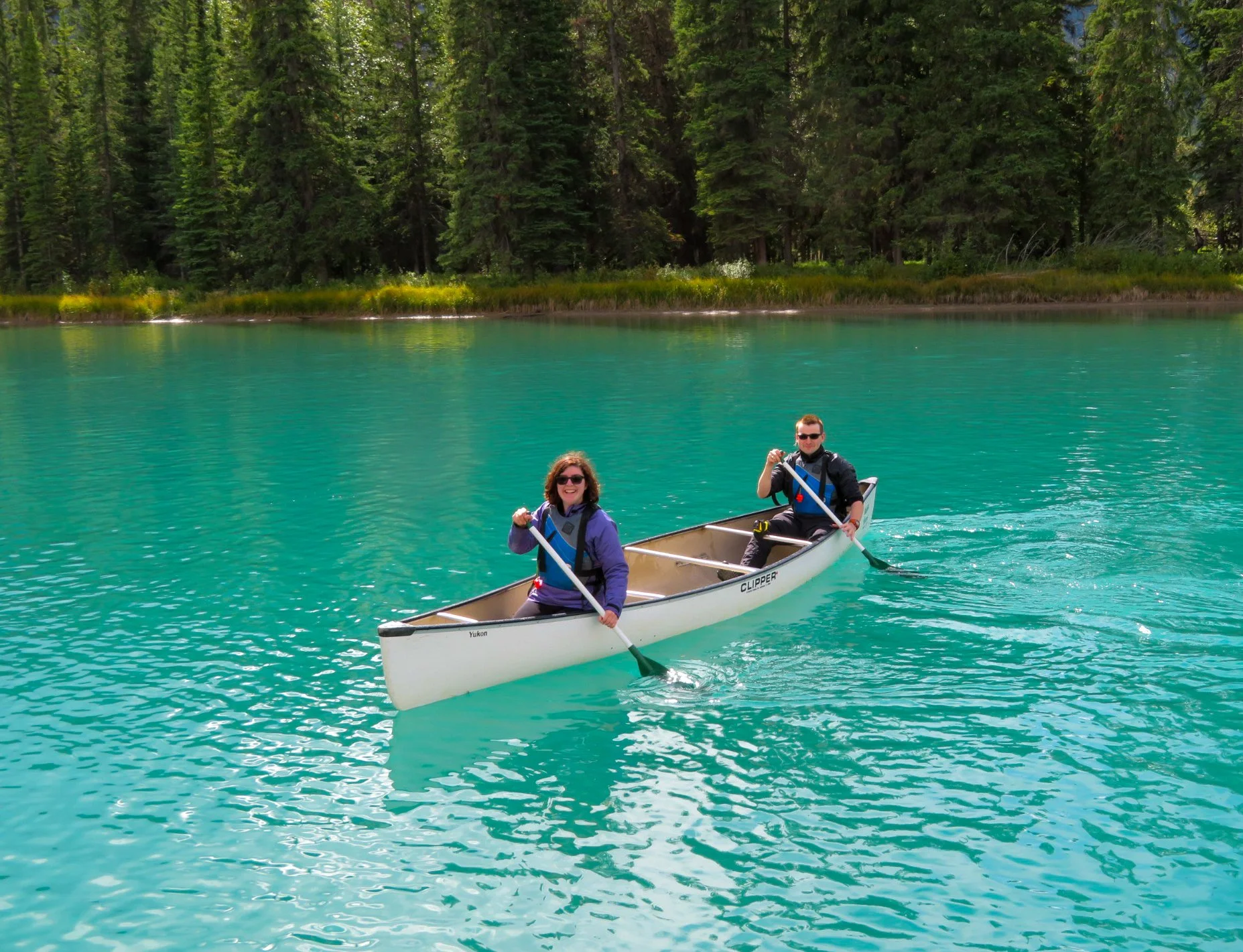
Adventures we have used this on: Countless walking trips in the Peaks, Dales, Moors, and the Lake District, plus many canoe and kayak trips in colder weather.
What Robert has used it for: Any time the weather has been a bit cold or grizzly. This layer has been worn next to the skin as well as part of a layering system.
How has it performed:
This layer is unlike any other Robert has owned. While not strictly waterproof, it retains warmth even when wet, acting almost like a wetsuit. If the rain stops, your body heat quickly dries it from the inside out. From experience, it takes about an hour to dry out while moving. The large pocket has been fantastic, easily swallowing ordnance survey maps, compasses, and gloves. The hand warmer pocket is located in a comfortable position for standing as well as walking. If continuous, all day rain is forecasted, Robert will layer a hard shell over the top to prevent the shirt from fully wetting out and becoming heavy.
In the unlikely event of a capsize when canoe touring in cooler weather, the buffalo is a great layer to chuck on once the wet stuff has come off. The thermopile material not only provides warmth but also wicks any water away from your skin allowing you to dry out quickly. We have been joking for years that Buffalo should make a changing robe, as all it would need to be was a big special six (and could definitely compete with Dryrobe!).
Due to its bulk when rolled up Robert has also used this layer as a pillow when camping.
After a full decade, the inevitable signs of wear are only now finally appearing. In the last year, the Thermopile lining has begun to thin, meaning the shirt is not quite as warm as it once was; and the zips are also showing their age, occasionally 'jumping a tooth', but this is only after what must be thousands of uses.
Any modifications made:
One small annoyance is the lack of a simple hanging loop. This made placing it on coat pegs a slight pain. Our quick fix was sewing a small strip of ribbon into the back of the neck lining. The shirt does not come with a hood as standard, so Robert purchased the optional hood separately and attached it using the shirt’s built-in Velcro tabs.
The good the bad and the packable
Being realistic there is no perfect piece of equipment, there are always pros and cons, so we try to give you our balanced view of what we feel about it and answer the question: does it make the packing list for our next adventure?
The bits Robert liked:
It is a layer that can be chucked on and almost forgotten about. It keeps you warm, and when you start puffing and panting going uphill it is possible to open the vents and get a good airflow through it.
The pockets are a good size for the type of things that Robert carries when walking.
The sleeves are a large enough diameter that they can easily be pushed above the elbow and kept in place by velcro.
The longer length of the shirt allows for rain to run off as well as keeping your bum warm and dry.
How it could be better:
A hook in the back of the neck would be helpful.
This is not the lightest of layers and it is a tad bulky to pack.
Buffalo has done some fantastic colours in the past. It would be great if they could make the special six in more than just black and olive. Sometimes you don’t want to blend into nature.
What we think it is best suited for: Any adventure where it is going to be between -5°C to +12°C (23°F to 54°F) and there is the likelihood of damp weather.
Are we going to pack it for our next adventure?: This has become Robert’s go-to warm layer for the past 10 years, be it going for a hike, in the ditch bag when canoeing, or even just popping down the pub with mates. However, for true fast and light trips where this shirt might be too warm for the majority of the hike, a lighter layering system will be selected.
Does it get our seal of approval?
A resounding yes for this one. It is a solid layer that can stand up to not only the British weather, but also everything that Robert has subjected it to over the past 10 years, and he has been recommending this layer to anyone who will listen for most of that time!